How to Start Using Stablecoins in Thailand (2025 Guide for Investors)
December 30, 2024

Understanding Stablecoins: What Are They and Why They Matter in Thailand (2025)
In recent years, stablecoins like USDT (Tether) and USDC (USD Coin) have gone from niche crypto tools to essential financial instruments for investors in Thailand. This 2025 guide will explain what stablecoins are, why they’re gaining popularity locally, and how Thai investors can begin using them—safely and effectively. Whether you’re new to digital assets or already holding cryptocurrencies, understanding Stablecoin Thailand 2025 is becoming increasingly important.
Credit from : The Conversation
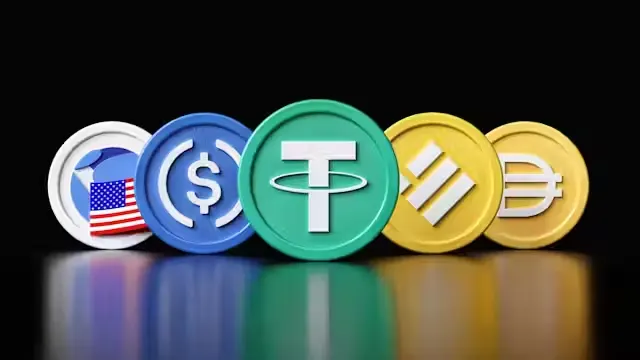
Step 1: What Exactly Is a Stablecoin Thailand 2025?
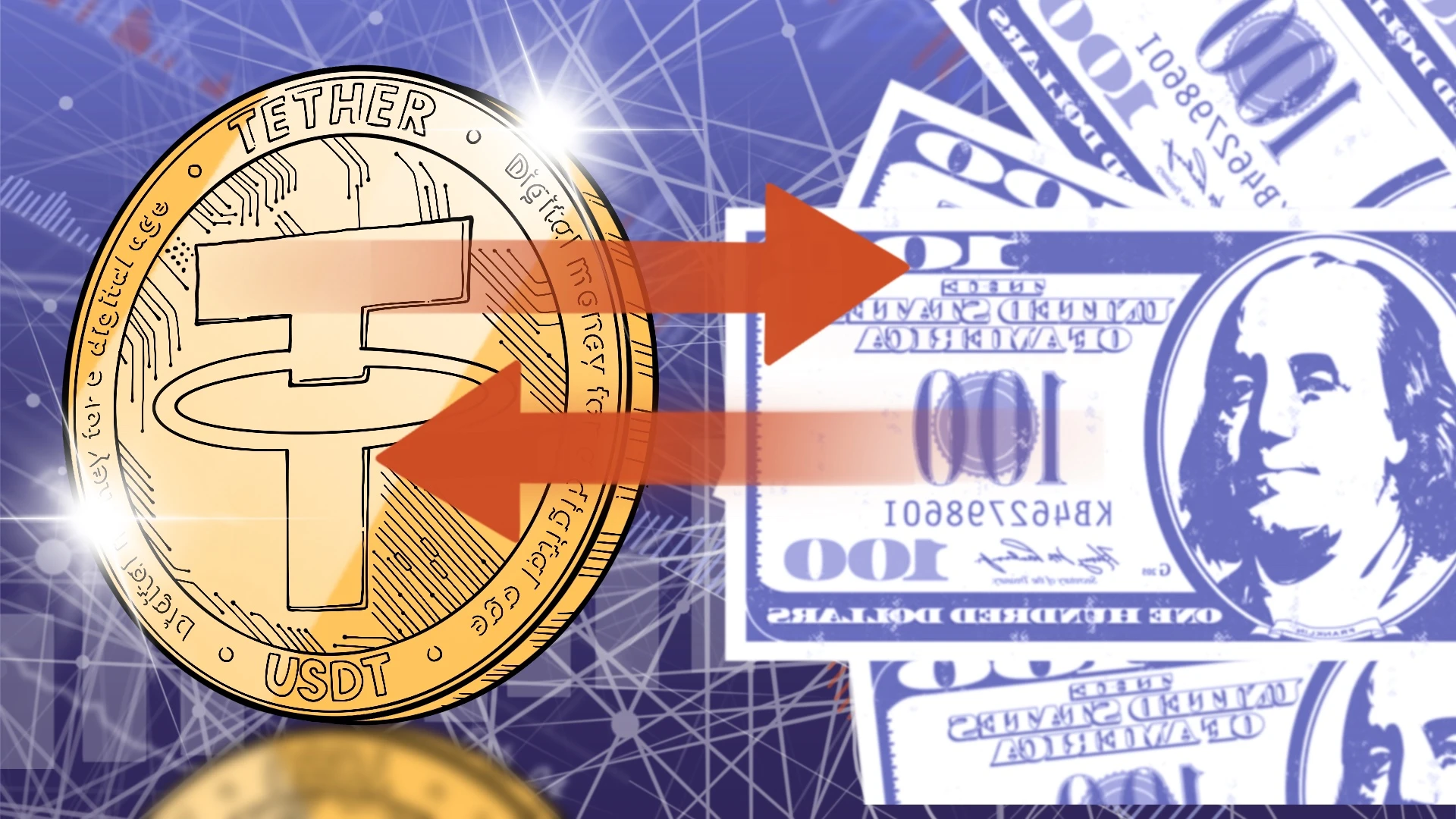
A stablecoin is a type of cryptocurrency pegged to the value of a stable asset—usually the US dollar. For example:
- 1 USDT = 1 USD (in theory)
- 1 USDC = 1 USD
These coins are designed to offer the speed and accessibility of crypto without the price swings associated with Bitcoin or Ethereum. This stability makes them appealing for saving, transferring funds, or protecting assets during volatile periods.
Credit from : Bitpapa
Step 2: Why Thai Investors Are Adopting Stablecoin Thailand 2025
Here are the top reasons behind the growing trend:
1. Hedging Against Baht Volatility
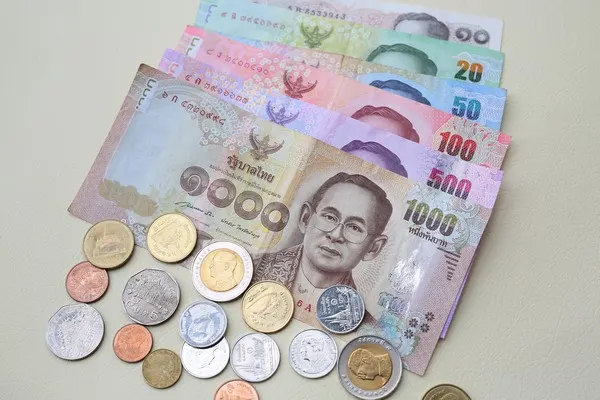
The Thai baht has experienced noticeable fluctuations in recent years. For investors concerned about inflation or currency devaluation, stablecoins offer a USD-denominated alternative—without requiring access to offshore bank accounts or foreign exchange services.
2. Access to Global Finance Tools
Stablecoins allow Thai users to access decentralized finance (DeFi) platforms that offer interest-earning options, lending services, or cross-border payments—often with lower fees than traditional banks.
3. Freelancer-Friendly Payments
Thai freelancers working with international clients often get paid in USD. Accepting payments in USDT or USDC through digital wallets can reduce conversion fees and speed up settlements.

4. Avoiding Local Banking Limitations
Stablecoin wallets operate 24/7. Investors can send and receive funds without delays caused by weekends, bank holidays, or processing queues.
Step 3: Is It Legal to Use Stablecoins in Thailand?
As of mid-2025, Thailand’s Securities and Exchange Commission (SEC) permits the trading of stablecoins on licensed exchanges, such as Bitkub, Zipmex, and Satang Pro. However, using stablecoins for everyday purchases remains restricted, as the government seeks to protect the role of the Thai baht in domestic commerce.
So:
- Yes, you can legally hold and trade stablecoins.
- No, you can’t legally use them to pay at a local cafe—yet.
Be sure to use regulated platforms and stay informed about any regulatory changes.
Step 4: How to Get Started with Stablecoins in Thailand
Here’s a beginner-friendly process to follow:
1. Choose a Licensed Exchange
Create an account on a Thai-licensed crypto exchange like Bitkub, Satang, or Zipmex. Complete KYC (Know Your Customer) requirements to verify your identity.
2. Deposit Thai Baht (THB)
Transfer funds using a Thai bank account. Most exchanges accept PromptPay or traditional wire transfers.
3. Buy Stablecoins
On the trading dashboard, convert your THB into USDT or USDC. Most platforms now support direct THB/stablecoin pairs.
4. Transfer to a Personal Wallet (Optional)
For added security, consider moving your stablecoins to a non-custodial wallet like MetaMask, Trust Wallet, or a hardware wallet. This gives you full control over your digital assets.
Step 5: What Are the Risks?
No investment is risk-free, and stablecoins are no exception. Here are a few points to be aware of:
- Issuer Risk: Some stablecoins may not always maintain their peg. Choose options with high transparency and regular audits.
- Platform Risk: If your exchange or wallet provider is compromised, you may lose access to your funds.
- Regulatory Risk: Future government policies could change how stablecoins are used or taxed in Thailand.
Stablecoin Thailand 2025: Final Thoughts
Stablecoins are rapidly becoming a trusted tool for Thai investors who want to simplify global transactions, protect against currency risk, or access decentralized financial services. While regulation is still evolving, the current environment allows for safe, legal participation—if done correctly.
As Thailand continues adapting to digital finance, USDT and USDC may play a growing role in how locals store, move, and grow their money. For anyone looking to future-proof their savings or income streams, learning how to use stablecoins is no longer optional—it’s essential.