
Decoding the Charts: Why MACD RSI Remain Go-To Tools for Forex Traders in Indonesia
April 16, 2025

MACD RSI for Forex Indonesia: For traders in Indonesia, navigating the currency market requires more than instinct or reaction — it takes informed decisions backed by data. Technical indicators serve that exact purpose. They provide a structured method to analyze charts, monitor momentum, and anticipate turning points. In a landscape shaped by Bank Indonesia policy, external trade flows, and shifting commodity prices, indicators act as guides — cutting through noise and helping traders spot clearer signals. The use of MACD RSI for Forex Indonesia has grown in popularity because these tools simplify complex chart behavior, offering both momentum and trend insights in one snapshot. Especially in fast-paced environments, they support consistency — which is often the key to longevity in forex trading.
What Makes MACD a Practical Tool for Indonesian Traders?
The MACD (Moving Average Convergence Divergence) is one of the most widely used technical indicators in Indonesia, thanks to its adaptability in trending markets. It works by showing the relationship between two exponential moving averages — typically the 12-day and 26-day — and then plotting a signal line to identify crossover points. For Indonesian forex traders who keep an eye on pairs like USD/IDR or GBP/IDR, MACD can be especially revealing during key events such as monetary announcements or global commodity price movements. A bullish crossover (when the MACD line crosses above the signal line) may suggest the beginning of an uptrend, while a bearish crossover hints at a potential decline. In markets driven by both international macro data and domestic factors like inflation or interest rate expectations, MACD provides an objective checkpoint for trend momentum and possible trade setups.
How Is RSI Used by Local Traders in the Indonesian Forex Scene?
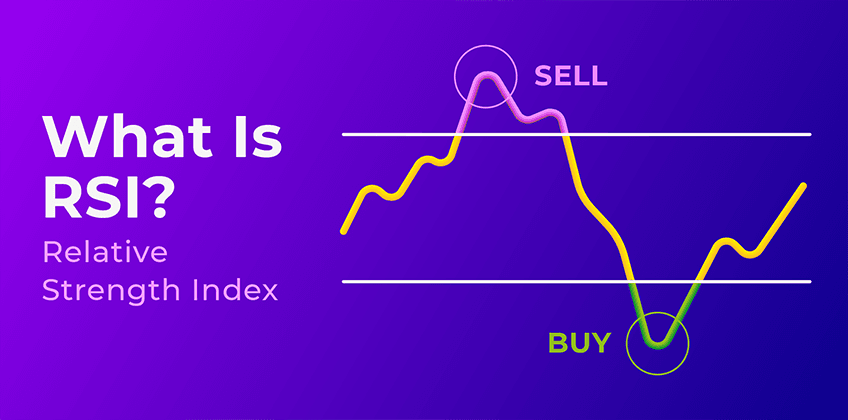
Source: TABTRADER
The Relative Strength Index, or RSI, continues to serve as a mainstay for many Indonesian traders who need a straightforward way to measure price momentum. RSI operates on a 0 to 100 scale and helps determine whether a currency pair might be overbought (above 70) or oversold (below 30). In a market like Indonesia’s, which is frequently influenced by regional politics, tourism recovery, or investor sentiment shifts, RSI allows traders to step back and reassess before making a trade. If a pair like EUR/IDR spikes sharply on external news, RSI can help verify whether that surge is backed by real strength or short-lived momentum. This becomes especially useful for avoiding overreactions and staying grounded. Seasoned Indonesian traders often wait for RSI to align with other indicators like MACD before making a move — ensuring that momentum and trend direction confirm each other.
How Do MACD and RSI Work Together in Forex Strategy?
Many traders across Indonesia have found value in combining MACD and RSI to create a more reliable strategy. MACD focuses on trend direction, while RSI focuses on momentum — and when both align, it tends to signal a higher-probability trade. For example, if MACD shows an upward crossover and RSI is trending up but not yet overbought, traders may interpret it as a solid signal to enter a long position. Conversely, if RSI dips below 50 while MACD forms a bearish divergence, it might be time to prepare for a short setup. This dual-indicator method is common among Indonesian traders who want to avoid whipsaws and fake-outs — particularly during unpredictable news cycles or when liquidity thins out during local holidays. The popularity of MACD RSI for Forex Indonesia stems from their complementary nature, offering a broader picture without complicating the analysis process.
What Role Do Bollinger Bands Play in the Indonesian Forex Market?

Source: okx
Bollinger Bands provide another layer of insight by helping traders gauge price volatility in real time. In Indonesia, where forex markets can react swiftly to external pressure points — such as Fed rate hikes or shifting coal export policies — Bollinger Bands help traders visualize potential breakout or breakdown zones. The bands consist of a central moving average and two outer bands that adjust with volatility. When prices approach the outer band, traders often watch closely for confirmation from RSI or MACD to see if the movement is sustainable. A “band squeeze” — where the bands tighten — can signal a period of low volatility that often precedes a strong directional move. This visual indicator works well for Indonesian traders looking to capture momentum during active sessions or following regional data releases.
MACD RSI for Forex Indonesia: Why Are Moving Averages Still Relevant for Indonesian Traders?

Source: The Economist
Moving averages, both simple and exponential, are essential for smoothing out price action and identifying longer-term trends. Indonesian traders frequently use these averages to confirm the broader market direction — especially when a trend seems unclear. A crossover of a short-term EMA above a longer-term one, such as the 20-day over the 50-day, is often interpreted as a bullish sign, particularly when other indicators are neutral. For local traders analyzing currency pairs impacted by oil prices, palm oil exports, or shifts in international travel, moving averages help maintain a broader perspective and reduce the noise of daily fluctuations. They’re especially helpful for trend-following strategies in a market that often alternates between steady trends and erratic swings.
MACD RSI for Forex Indonesia: Can the Stochastic Oscillator Improve Trade Timing in Indonesia?
The stochastic oscillator is another popular tool that complements indicators like MACD and RSI. While it also helps identify overbought and oversold conditions, it does so by comparing a closing price to its recent price range, making it particularly effective for shorter time frames. Indonesian traders engaged in quick-turnaround strategies — such as day trading during active Asian or London sessions — often rely on stochastic crossovers to refine their entries and exits. For instance, when the stochastic lines cross in the overbought zone while RSI is starting to turn, it might signal a potential reversal ahead. These timing cues can be especially helpful when the market is reacting to headline news or when volume surges during overlapping trading sessions. Used properly, stochastic adds an extra dimension of timing to an already reliable MACD RSI setup.
MACD RSI for Forex Indonesia: What Should Indonesian Traders Watch Out for When Using These Indicators?
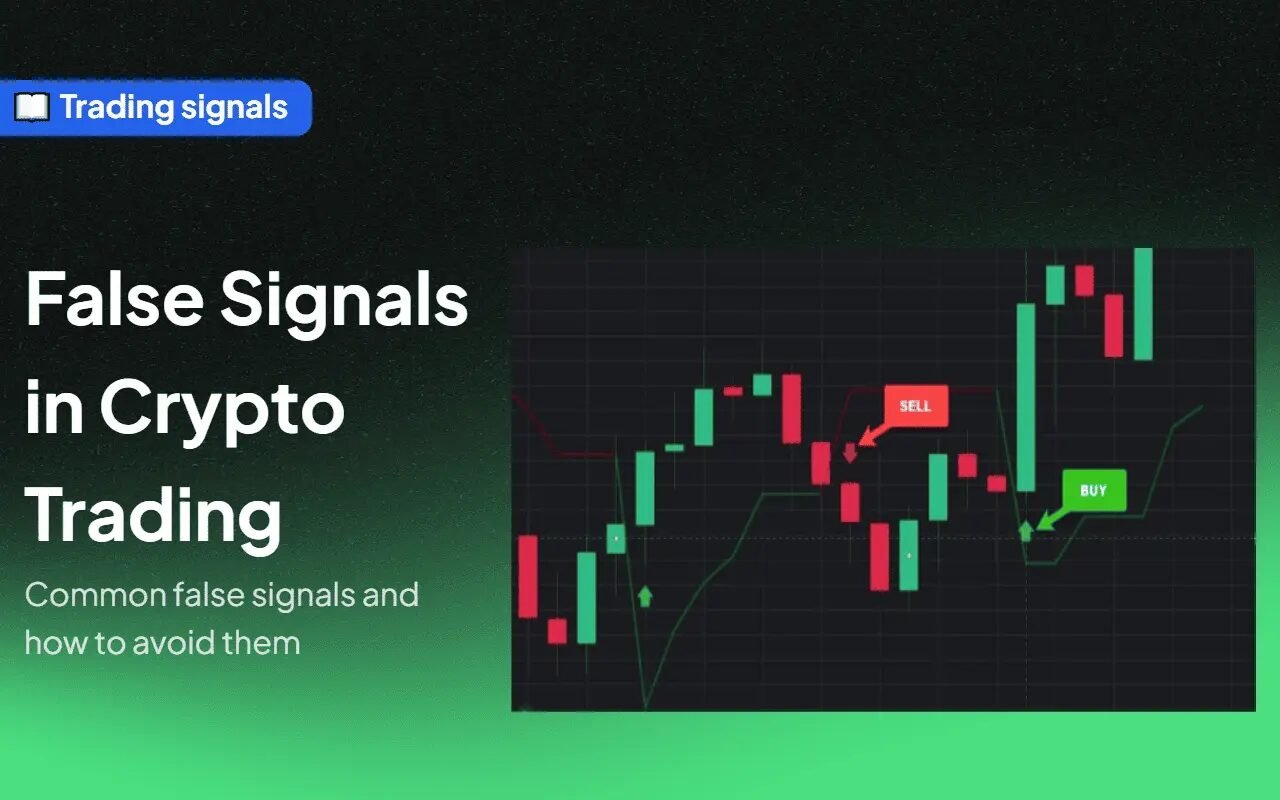
Source: Altrady
As useful as technical indicators are, they’re not foolproof. A common mistake among traders — especially newer ones in Indonesia — is to depend too heavily on a single signal. Even a strong indicator like MACD or RSI can give misleading results during sideways markets or periods of high volatility. Another pitfall is ignoring fundamental news and treating technical setups in isolation. In a country like Indonesia, where currency performance can be closely tied to national policy or external trade shocks, a chart pattern might tell one story while macroeconomic events tell another. Traders who don’t consider this broader context risk reacting to noise rather than substance. Lastly, confirmation bias is a risk — trying to force indicators to match a desired outcome rather than reading them objectively. The most consistent traders often combine MACD RSI for Forex Indonesia with a grounded understanding of the market narrative, keeping emotion in check and focusing on disciplined execution.
Are MACD and RSI Still Worth Using in 2025?
Looking ahead through the lens of 2025, there’s little doubt that MACD RSI for Forex Indonesia remain among the most dependable tools available to local traders. Their flexibility across different trading styles and timeframes keeps them relevant, even as the market evolves with new technologies and more complex data flows. Whether trading around Bank Indonesia meetings, responding to global inflation shifts, or navigating the recovery of travel-related industries, these indicators help Indonesian traders stay anchored. They don’t replace experience, but they do enhance it — offering a clearer structure to understand what’s happening and what might come next. In a market that often surprises, MACD and RSI continue to provide a much-needed edge for those who take the time to read the signals and stay patient with the process.