Crypto Scams in Vietnam: A Growing Risk in the Digital Investment Boom
March 13, 2025

Crypto Scams in Vietnam: A Growing Risk in the Digital Investment Boom
In Vietnam, the rise of digital currencies has taken on a life of its own. From casual day traders in cafés to full-time crypto enthusiasts in coworking spaces, blockchain technology has woven itself into the financial fabric of everyday life. Yet as interest in digital assets grows, so too does the shadow of crypto scams — a trend now impossible to ignore.
2024 saw an uptick in crypto-related fraud cases in Vietnam, according to several consumer protection groups and tech communities. Forums like Reddit Vietnam and local Telegram groups are flooded with posts warning of fake exchanges, phishing wallet apps, and Ponzi-like token projects. And while early adopters may know how to sidestep these risks, newer users — often young, eager, and digitally connected — remain particularly vulnerable.
The Human Cost of a Crypto Craze

Credit from VnExpress International
Crypto scams in Vietnam are rarely just faceless statistics. Stories are emerging daily: a university student in Da Nang who lost her tuition funds to a fake staking scheme; a retiree in Hanoi misled by a fraudulent NFT project claiming ties to a local celebrity.
The appeal of “getting in early” or “buying the dip” often overshadows careful research. Combined with FOMO and slick marketing, this creates fertile ground for scams. And unlike traditional financial fraud, crypto-related scams move fast, often across borders, and rarely leave a paper trail.
In Ho Chi Minh City, an entire online trading community was recently duped by a fake app that mimicked the interface of a well-known international exchange. Many users only realized it was fraudulent when withdrawals were silently disabled — by then, their assets had vanished.
Digital Growth Outpaces Regulation to avoid Crypto scams

Credit from Datawallet
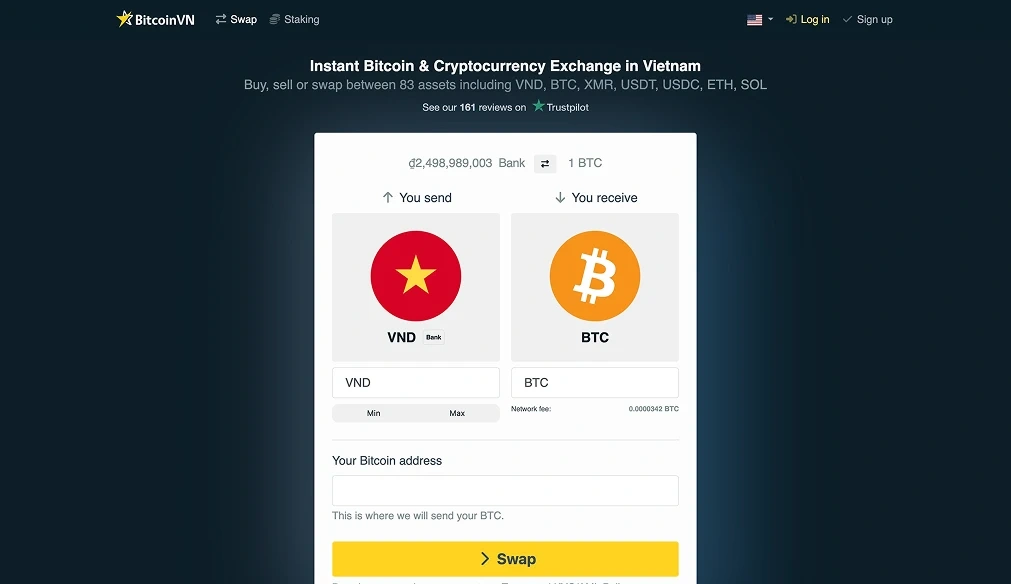
Vietnam’s embrace of cryptocurrency is undeniable. Chainalysis ranked the country among the top for grassroots crypto adoption in 2023. But the legal framework is still playing catch-up. As of mid-2025, digital assets remain in a regulatory gray area — neither fully legal nor explicitly banned. That ambiguity leaves users exposed.
Efforts to tighten oversight have been announced. The State Bank of Vietnam and the Ministry of Public Security are reportedly working on proposals for licensing exchanges and flagging suspicious activity. But until those frameworks are in place, scams will continue to exploit the legal vacuum.
In this environment, self-education and community-driven vigilance remain the strongest tools. That’s why many crypto veterans now share secure trading tips in Vietnamese-language YouTube channels, Discord servers, and TikTok explainers — modern knowledge hubs for a decentralized generation.
Emerging Behaviors and Vietnam Crypto Safety
With fraud on the rise, a cultural shift in user behavior is beginning to take shape. Cold wallets — once niche — are now widely recommended in online circles. More users are enabling two-factor authentication and avoiding unknown tokens. A growing number of beginners are even attending offline crypto meetups or joining trusted online groups for peer support.
Still, the lack of a safety net lingers. Unlike losing money in a bank scam — which can be disputed or reversed — crypto theft is often final. That irreversible nature fuels a mindset shift: people are realizing that protecting your digital assets from scams isn’t a technical step — it’s a behavioral one.
Conclusion: Navigating a Booming Market with Caution
Credit from TronWeekly
Crypto scams in Vietnam are not an isolated issue; they’re part of a larger narrative where innovation outpaces regulation. As the Vietnamese digital economy grows more complex, so too do the tactics of those looking to exploit it.
But the response is evolving. Through peer education, community reporting, and smarter trading habits, users are beginning to turn the tide — one cautious transaction at a time.
The crypto market will continue to surge and shift. But staying grounded, informed, and alert is still the most effective strategy. Because in the end, secure trading tips aren’t just best practices — they’re what keeps the dream of decentralized finance alive and safe for everyone.